

Free · no ads · American English
Grammar that makes sense, practice that sticks.
Tell us what you find hard, like in, on and at, tenses or spelling. You get short explanations written the way Americans actually speak, then exercises that check every answer and tell you why.
- 86topics
- 856exercise sets
- 7,551questions
- $0free, no sign-up
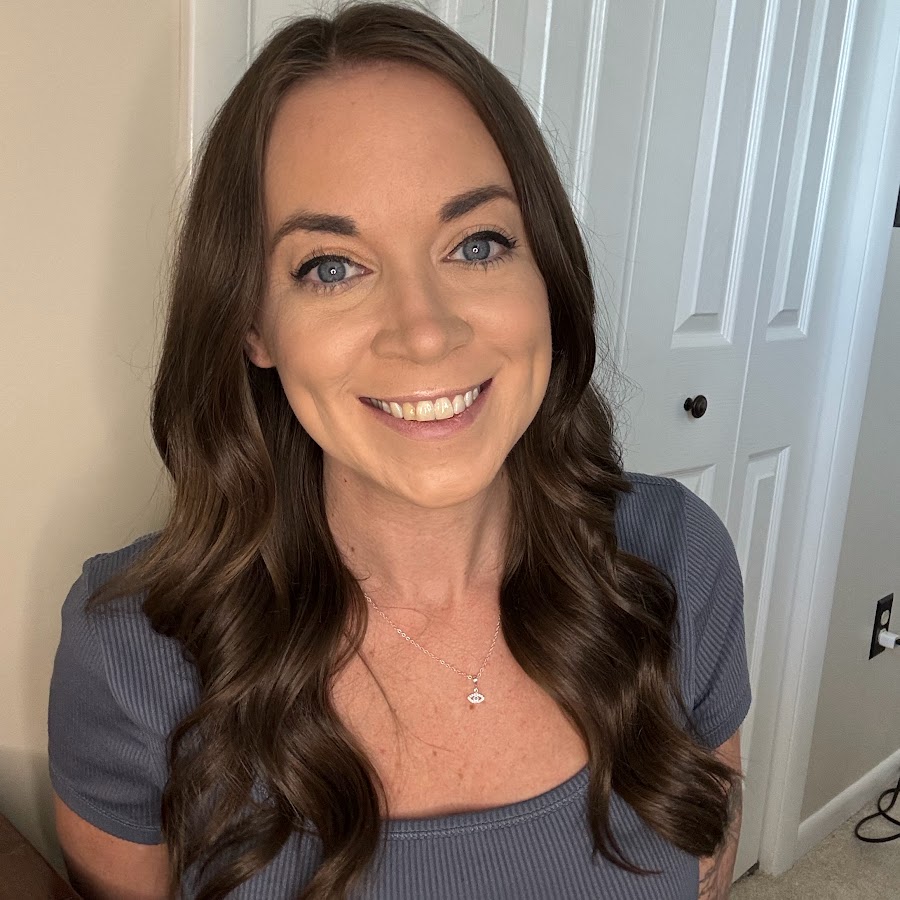

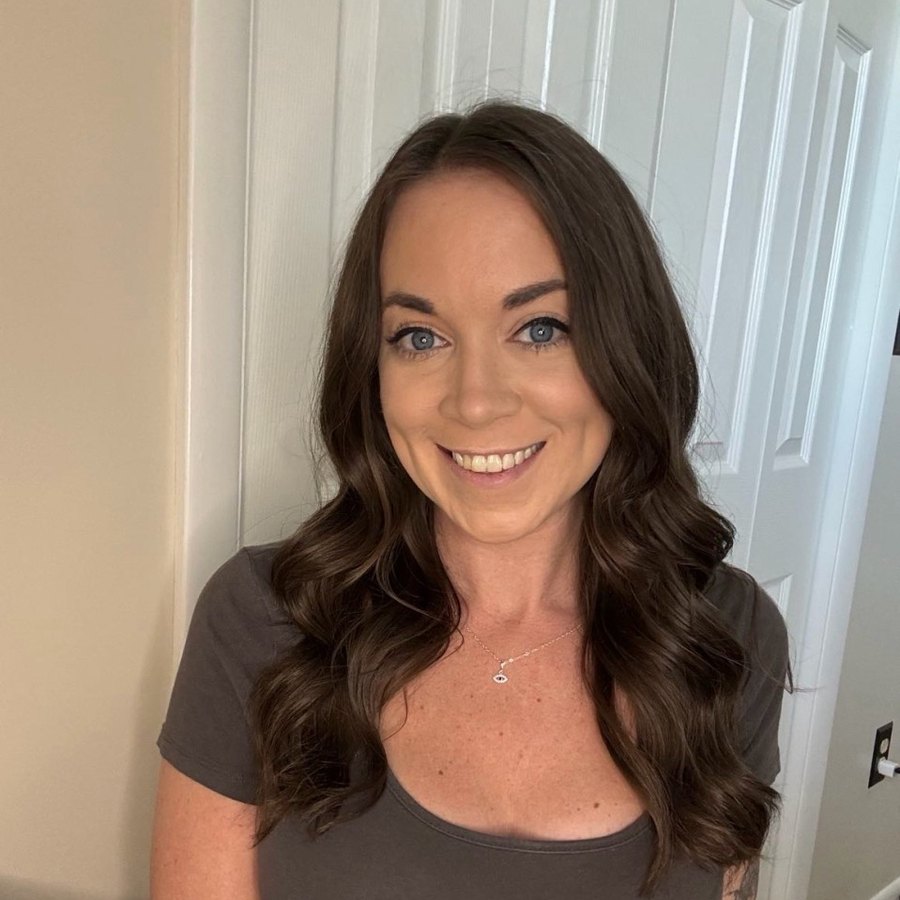
Written by Ashley CurryNative speaker · 1,500+ lessons · 5.0 rating
Not sure where to start?Take the 10-minute level test and get a study plan made for you.
Take the level testWhat do you find hard?
Pick a problem to see every topic that helps, easiest first.A2Upper beginner
Everyday sentences: the present, the past, plans, comparing, asking for things.A2Present Simple vs Present ContinuousChoose between I work and I'm working to talk about routines, facts, things happening now and temporary situations.Verb tenses10 sets · 88 questions · about 40 minA2Past Simple: Regular and Irregular VerbsTalk about finished past events with regular -ed verbs and common irregular verbs, and make past questions and negatives with did.Verb tensesSpelling and confusing words10 sets · 91 questions · about 40 minA2Comparatives and SuperlativesCompare two things with bigger or more expensive, and pick the number one in a group with the biggest or the most expensive.Adjectives and adverbs10 sets · 90 questions · about 40 minA2Countable and Uncountable Nouns: Some, Any, Much, ManyTell countable and uncountable nouns apart and use a, some, any, much, many and a lot of correctly in everyday sentences.Articles, nouns and pronouns10 sets · 89 questions · about 40 minA2Going To vs WillUse going to for plans and things you can see coming, and will for quick decisions, offers, promises and opinions about the future.Verb tenses10 sets · 87 questions · about 40 minA2Verbs with Two ObjectsSay who gets something with verbs like give, send and buy, choose between to and for, and put pronouns like it in the right place.Questions and word orderVerb patterns and passive10 sets · 91 questions · about 40 minA2Prepositions of Time: In, On, AtUse at for clock times, on for days and dates, and in for months, years and seasons, the way Americans say them.Prepositions10 sets · 90 questions · about 40 minA2Can, Could and Have ToTalk about ability, permission, polite requests and rules with can, could, have to and don't have to.Modal verbs10 sets · 87 questions · about 40 minA2Present Simple: Statements, Questions and NegativesTalk about routines and facts, add -s or -es for he, she and it, and ask questions with do and does.Verb tenses10 sets · 87 questions · about 40 minA2Prepositions of Place: In, On, AtSay where people and things are with in, on and at: in a city, on a street or a bus, at an address, at work or at home.Prepositions10 sets · 81 questions · about 35 minA2For, Since and AgoUse for with a length of time, since with a starting point and ago with the past simple, and ask How long...? correctly.Verb tensesPrepositions10 sets · 81 questions · about 35 minA2Prepositions of Movement: Into, Out Of, Through, AcrossSay where people and things go with into, out of, through, across, along, past and more, and get in a car but on a bus.Prepositions9 sets · 81 questions · about 35 minA2A, An or The: The BasicsChoose a or an by sound, use the when the listener knows which one, and leave out the article for things in general.Articles, nouns and pronouns10 sets · 89 questions · about 40 minA2Pronouns and Possessives: I, Me, My, MineChoose between I and me, my and mine, its and it's, add 's the right way, ask with whose, and use myself and yourself.Articles, nouns and pronouns10 sets · 88 questions · about 40 minA2Requests and Offers: Can I, Could You, Would You MindAsk for things, ask permission and offer help politely with can, could, may, would you mind, should I and I'll, and answer like an American.Modal verbsSound natural and polite10 sets · 90 questions · about 40 minA2Zero Conditional: Facts and InstructionsUse if or when with the present simple for facts, habits and instructions, like: If you feel sick, call the office.If, wish and regrets10 sets · 87 questions · about 40 minA2Like Doing, Want To Do, Would Like ToSay what you like, want and would like, ask polite questions, and choose between -ing and to after like, love, hate, want and enjoy.Verb patterns and passive10 sets · 85 questions · about 35 minA2Questions and Question WordsAsk yes/no and wh- questions in the right order, with do, does, did or be, and choose the right question word, from what to how often.Questions and word order10 sets · 89 questions · about 40 minA2Word Order: Always, Usually, Never and Time WordsPut always, usually and never in the right place, keep the verb next to its object, and say place before time, like a native speaker.Questions and word order10 sets · 86 questions · about 40 minA2And, But, So and BecauseJoin two ideas with and, but, so and because, choose between so and because, and use also, too and either correctly.Linking ideas10 sets · 86 questions · about 40 minA2So Do I, Me Too, Me NeitherAgree and disagree in short replies like so do I, me too, neither can I and me neither, using the right helper verb.Questions and word orderSound natural and polite10 sets · 87 questions · about 40 minA2Spelling -ed and -ing: Doubling, Silent E and YSpell -ed and -ing forms correctly: when to double a letter, drop a silent e or change y to i, with American one-l spellings like traveled.Verb tensesSpelling and confusing words9 sets · 83 questions · about 35 minA2Spelling Plurals and -s EndingsSpell plurals and he/she verb forms correctly: -s or -es, y to ies, f to ves, words ending in o, and irregular plurals like people and feet.Spelling and confusing words9 sets · 82 questions · about 35 minA2Capital Letters in American EnglishKnow when English needs a capital letter: I, names, days, months, holidays, languages, places, titles and emails, and why seasons stay small.Spelling and confusing words9 sets · 88 questions · about 40 minA2Adjectives vs Adverbs: Quick or QuicklyChoose between adjectives and adverbs like quick and quickly, good and well, and hard and hardly, and use adjectives after look, feel and seem.Adjectives and adverbs10 sets · 87 questions · about 40 minA2Dates, Times and Numbers the American WayRead and say American dates, times, prices, big numbers, temperatures, distances and phone numbers the way people in the US do.American English10 sets · 85 questions · about 35 min
B1Intermediate
Talk about experiences, rules, habits and hypothetical situations with confidence.B1Present Perfect vs Past SimpleChoose between "I went" and "I have gone" for finished time, life experience and situations that are still true, the way Americans do.Verb tenses10 sets · 89 questions · about 40 minB1Past Continuous vs Past SimpleTell stories about the past by setting the scene with was/were + -ing and moving the action forward with the past simple.Verb tenses10 sets · 86 questions · about 40 minB1First and Second ConditionalTalk about real future possibilities with "if + present, will" and imaginary situations with "if + past, would."If, wish and regrets10 sets · 86 questions · about 40 minB1Used To and Would for Past HabitsDescribe past habits and situations that are no longer true with "used to" and "would," and know when only "used to" works.Verb tenses10 sets · 88 questions · about 40 minB1Must, Have To and ShouldSay what is necessary, what isn't, what's against the rules and what's a good idea, using the forms Americans actually use.Modal verbs10 sets · 87 questions · about 40 minB1Gerunds and InfinitivesKnow when a verb is followed by -ing (enjoy cooking) and when by to + verb (decide to move), including verbs that change meaning.Verb patterns and passive10 sets · 88 questions · about 40 minB1Defining Relative Clauses: Who, Which, That, WhereSay exactly which person, thing or place you mean with who, that, which, where and whose, the way Americans write and speak.Linking ideas10 sets · 87 questions · about 40 minB1The Passive: Present and PastForm and use the present and past passive (is made, was built) when the action matters more than who did it.Verb patterns and passive10 sets · 89 questions · about 40 minB1Past Perfect: Had DoneUse had + past participle to show which of two past events came first, with by the time, already, just and never.Verb tenses10 sets · 87 questions · about 40 minB1Before, After, Until, By and DuringChoose until or by for deadlines, during, for or while for time periods, and use before and after with nouns, -ing and clauses.PrepositionsLinking ideas10 sets · 89 questions · about 40 minB1Adjectives with Prepositions: Good At, Afraid OfUse the right little word after common adjectives, like good at, afraid of, interested in and responsible for, followed by a noun or -ing.PrepositionsAdjectives and adverbs10 sets · 89 questions · about 40 minB1A Few, A Little, A Lot Of and Plenty OfSay how much or how many with a few, a little, a lot of, plenty of, a couple of, too many, too much and hardly any.Articles, nouns and pronouns10 sets · 92 questions · about 40 minB1The with Places and Names: The US, Lake MichiganKnow when a place name takes the (the United States, the Mississippi River) and when it doesn't (Texas, Lake Michigan, Main Street).Articles, nouns and pronounsAmerican English10 sets · 90 questions · about 40 minB1Might, May and Could for PossibilitySay that something is possible with might, may and could, tell maybe from may be, and ask about possibility with Do you think.Modal verbs10 sets · 88 questions · about 40 minB1Make, Let, Help and Get Someone ToSay who forces, allows, helps or persuades someone with make, let, help and get, and use be allowed to and be made to.Verb patterns and passive10 sets · 89 questions · about 40 minB1Everyday Phrasal Verbs: Pick Up, Figure Out, Run IntoUse common American phrasal verbs like pick up, figure out and run into, and know where to put it, them or her.Verb patterns and passiveAmerican English10 sets · 90 questions · about 40 minB1Subject and Object Questions: Who Called? Who Did You Call?Know when a question needs do and when it doesn't, so you can ask Who called you? and Who did you call?, and end questions with a preposition.Questions and word order10 sets · 86 questions · about 40 minB1Indirect Questions: Could You Tell Me Where...Ask polite questions with Could you tell me, Do you know and I was wondering, using statement word order and if or whether.Questions and word orderSound natural and polite10 sets · 81 questions · about 35 minB1Tag Questions: It's Nice, Isn't It?Add the right short tag, like isn't it or didn't you, to check facts and make small talk, and say it with the right intonation.Questions and word order10 sets · 83 questions · about 35 minB1When, While, As Soon As and UntilConnect actions in time with when, while, as, as soon as, until, before and after, and use the present tense after them for the future.Linking ideas10 sets · 85 questions · about 35 minB1Their, There, They're and Other Confused WordsPick the right word every time with their, there, they're, your, you're, its, it's, then, than and other words that sound alike.Spelling and confusing words10 sets · 94 questions · about 40 minB1American vs British Spelling: Color, Center, TraveledSpell like an American: color, center, organize, license and traveled, and spot British spellings before they reach your email or essay.Spelling and confusing wordsAmerican English10 sets · 93 questions · about 40 minB1Bored or Boring: -ed and -ing AdjectivesUse -ed adjectives like bored and excited for feelings, and -ing adjectives like boring and exciting for the things that cause them.Adjectives and adverbs10 sets · 87 questions · about 40 minB1Adjective Order: A Nice Big Old HousePut two or three adjectives before a noun in the natural American order, use commas correctly, and build noun + noun phrases like a coffee cup.Adjectives and adverbs10 sets · 89 questions · about 40 minB1Too and EnoughSay when something is more or less than you need with too, too much, too many and enough, and add to + verb or for + person.Adjectives and adverbs10 sets · 89 questions · about 40 minB1American vs British Vocabulary: Apartment, Vacation, Cell PhoneUse the everyday American words (apartment, vacation, cell phone, line, check, fall) and recognize the British words you may see in textbooks.American English10 sets · 89 questions · about 40 minB1Gonna, Wanna, Gotta: Reduced Forms in American SpeechUnderstand and use gonna, wanna, gotta, kinda, lemme, gimme and dunno correctly, and know when to switch back to the full forms.American EnglishSound natural and polite10 sets · 84 questions · about 35 min
B2Upper intermediate
Report, speculate, regret and sound natural in work and social situations.B2Present Perfect ContinuousTalk about how long something has been going on, and explain what you've been doing that shows right now.Verb tenses10 sets · 84 questions · about 35 minB2Third and Mixed ConditionalsTalk about regrets, lucky escapes and how a different past would change your life today.If, wish and regrets10 sets · 85 questions · about 35 minB2Reported SpeechPass on what people said, asked and told you to do, with the right tense, word order and reporting verb.Verb tensesLinking ideas10 sets · 88 questions · about 40 minB2Wish and If OnlySay what you'd like to be different now, what you regret about the past, and what other people do that annoys you.If, wish and regrets10 sets · 86 questions · about 40 minB2Modals of Deduction: Must, Might, Can'tMake smart guesses about the present and the past, and show exactly how sure you are.Modal verbs10 sets · 87 questions · about 40 minB2Have Something DoneTalk about services other people do for you, like haircuts and car repairs, with have or get + object + past participle.Verb patterns and passive10 sets · 87 questions · about 40 minB2Articles: A, An, The and No ArticleChoose a, an, the or no article with confidence, including American phrases like in the hospital and go to college.Articles, nouns and pronouns10 sets · 90 questions · about 40 minB2American vs British Grammar DifferencesSpot the grammar that sounds American or British, and use the American form at work, in school and in daily life in the US.American English10 sets · 92 questions · about 40 minB2Narrative Tenses: Telling a Story About the PastCombine the past simple, past continuous, past perfect and past perfect continuous to tell clear, vivid stories.Verb tenses10 sets · 89 questions · about 40 minB2Tense Review: Choosing the Right TenseChoose between present, past, perfect and future forms by asking when it happens and how you see it, with American usage for just, already, yet.Verb tenses10 sets · 84 questions · about 35 minB2Verbs with Prepositions: Depend On, Apologize ForUse the right preposition after verbs like depend on, apologize for and agree with, and know which verbs, like discuss, take none.PrepositionsVerb patterns and passive10 sets · 91 questions · about 40 minB2Both, Either, Neither, All and NoneTalk about two things with both, either and neither, and about groups with all, none, each and every, with the right verb after them.Articles, nouns and pronouns10 sets · 88 questions · about 40 minB2Should Have, Could Have, Would HaveTalk about past regrets, criticism, missed chances and imagined results with should have, could have and would have.Modal verbsIf, wish and regrets10 sets · 86 questions · about 40 minB2Unless, As Long As, Provided and In CaseUse unless, as long as, provided, in case, even if and what if to set exceptions, conditions and precautions without confusing them with if.If, wish and regretsLinking ideas10 sets · 85 questions · about 35 minB2Negative Questions: Don't You Think? Isn't It?Use negative questions like Don't you think...? and Why don't you...? to show surprise, persuade, check and suggest, and answer them correctly.Questions and word orderSound natural and polite10 sets · 82 questions · about 35 minB2Non-Defining Relative Clauses: My Boss, Who...Add extra information about people, things and places with commas and who, which, whose or where, never that, including most of whom.Linking ideas10 sets · 87 questions · about 40 minB2Purpose: To, In Order To and So ThatExplain why you do things with to, in order to, so as to and so that, and choose correctly between for + noun and to + verb.Linking ideas10 sets · 89 questions · about 40 minB2Polite and Indirect Language: I Was Wondering IfMake requests, share bad news and suggest changes politely with I was wondering if, would you mind, I'm afraid and other softeners.Modal verbsSound natural and polite10 sets · 89 questions · about 40 minB2Affect or Effect, Fewer or Less and Other Tricky PairsChoose correctly between affect and effect, fewer and less, lie and lay, borrow and lend, and other pairs that trip up even native speakers.Spelling and confusing words10 sets · 92 questions · about 40 minB2Commas and Punctuation in American EnglishUse commas, apostrophes, colons, and quotation marks the American way, and fix comma splices in your emails, texts, and reports.Spelling and confusing words10 sets · 95 questions · about 40 minB2As...As and The More..., The BetterCompare things with as...as, twice as...as and the same as, show the size of a difference, and link two changes with the more..., the better.Adjectives and adverbs10 sets · 89 questions · about 40 min
C1Advanced
Structure, emphasis and precision for meetings, presentations and exams.C1Inversion for EmphasisUse inversion after never, rarely, not only, only after and in formal conditionals to add weight to speeches, emails and exam answers.Sound natural and polite10 sets · 93 questions · about 40 minC1Cleft Sentences: What I Need Is...Use it-clefts and wh-clefts to spotlight the key point, correct a misunderstanding and sound clear and confident in meetings and interviews.Sound natural and polite10 sets · 91 questions · about 40 minC1Participle ClausesUse -ing, having done and past participle clauses to combine ideas into tight, polished sentences without dangling participles.Linking ideas10 sets · 89 questions · about 40 minC1Future Perfect and Future ContinuousUse will be doing, will have done and will have been doing to talk precisely about schedules, deadlines and progress.Verb tenses10 sets · 85 questions · about 35 minC1Contrast: Although, Despite, However, WhereasChoose and punctuate contrast linkers correctly, knowing which ones take a clause, a noun or -ing form, or start a new sentence.Linking ideas10 sets · 90 questions · about 40 minC1It's Time, Would Rather and Had BetterUse it's time, would rather and had better with the right verb forms to state preferences, give firm advice and push for change.If, wish and regrets10 sets · 89 questions · about 40 minC1Emphatic Do, So and SuchUse emphatic do, so and such to correct, insist and show strong feeling with the right word order and natural American stress.Sound natural and polite10 sets · 90 questions · about 40 minC1Ellipsis and Substitution in SpeechAvoid repetition like a native speaker with so, not, do, one and ones, short answers, and the words Americans drop in casual speech.Sound natural and polite10 sets · 92 questions · about 40 minC1Prepositional Phrases: In Charge Of, On Behalf OfUse fixed phrases like in charge of, on behalf of, in light of and at odds with accurately in speech, emails and formal writing.PrepositionsSound natural and polite10 sets · 93 questions · about 40 minC1Needn't, Didn't Need To and Be Supposed ToSay what isn't necessary, what didn't need to happen, and what is expected or planned, with be supposed to, the American way.Modal verbs10 sets · 88 questions · about 40 minC1Conditionals Without If: Should, Were, HadDrop if and use Should you..., Were I to..., Had I known..., but for, otherwise and imperative + and/or to sound polished and precise.If, wish and regretsSound natural and polite10 sets · 86 questions · about 40 minC1Advanced Passive: It Is Said That, Is Thought ToReport claims with it is said that and is thought to have, and use passive infinitives, gerunds, modals and get.Verb patterns and passiveSound natural and polite10 sets · 91 questions · about 40 min
No topic matches these filters.
Ready to be understood the first time?
Private American English coaching with me, Ashley Curry: pronunciation, accent and confidence, built around your goals.