Stuck at B2? How to Break the Intermediate English Plateau
The four habits that keep adults stuck at B2 for years, and a weekly plan that replaces each one with something that moves you.
 How to Choose an Online English Tutor (A Checklist From a Tutor)10 min read
 How Much Does Accent Reduction Coaching Cost in 2026?9 min read
 Is Accent Reduction Worth It? What Actually Changes (and What Doesn't)9 min readAll articles
  Glottal T | 5 Minute American English Pronunciation PracticePractice video
 Flap T | 2 Minute American English Pronunciation PracticePractice video
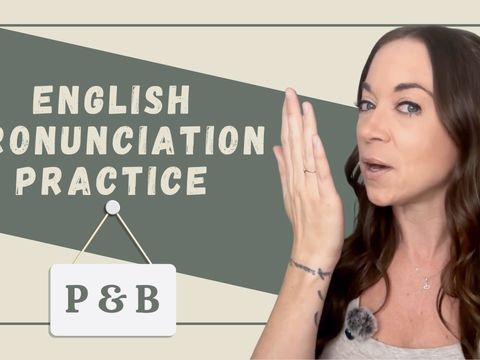 P vs B | 4 minute English Pronunciation PracticePractice videoAll videos
  Work with AshleyBook your first lesson50 minutes, one-on-one, $25. Live calendar in your timezone.Book now
By Ashley Curry · 9 min read · Updated September 8, 2026
Work with AshleyBook your first lesson50 minutes, one-on-one, $25. Live calendar in your timezone.Book now
By Ashley Curry · 9 min read · Updated September 8, 2026
A trial lesson is not a free chat to see if you like each other. It is the one hour where you can test a tutor's ears, method and honesty before you spend real money. Here is what to expect from an English trial lesson, why mine costs $25 instead of nothing, and a scorecard for judging any tutor after one lesson.
Expect a full-length lesson, not a twenty-minute introduction: a few minutes on your goals, a listening diagnosis with reading and free speech, specific feedback in priority order, ten minutes of real teaching on one item, and a written plan. Judge the tutor on eight things: whether they heard something you did not know, whether the feedback was specific, whether they taught you one thing you can do now, whether there are notes, whether they had a plan with numbers, how they corrected you, whether they asked about your goal, and whether they pressured you to buy. Six out of eight is a tutor worth booking again.
Free trials sound generous. In practice they are usually shorter than a real lesson, they are booked by people who are collecting free lessons rather than choosing a tutor, and the tutor knows it. So the free trial becomes a sales conversation: a friendly chat, a compliment on your English, and a package offer. Nobody diagnoses anything, because there is no time and no incentive.
My first lesson is 50 minutes, the same length as every other lesson, and costs $25 instead of the usual $30. The price is low enough that trying me is not a serious risk and high enough that both of us take the hour seriously. You get a full diagnosis and a written plan whether or not you ever book again. I would rather you leave with a plan you can take to another tutor than leave with a coupon. The full price list, including packs and monthly plans, is on my pricing section.
Marketplaces work differently: they often push tutors to offer a discounted or free trial and then take 18 to 33 percent of every lesson after it. I compared the two models in private tutor versus Preply or italki. For this article, the point is simple: a trial that is shorter than a real lesson cannot show you what a real lesson is like.
Whatever tutor you try, the hour should have these parts. If one is missing, note it on the scorecard below.
| Minutes | What should happen | What it tells you |
|---|---|---|
| 0-8 | Questions about your goal, a recent situation where English failed you, your practice time, any deadline | Whether the tutor plans around you or around a book |
| 8-22 | You read a short passage, then speak freely; the tutor listens and takes notes | Whether they diagnose before they teach |
| 22-35 | Feedback: three to five specific items, in order of impact on clarity | Whether they can hear, and whether they can prioritize |
| 35-47 | Teaching one item: mechanics, drill, sentences | Whether they can explain, not just model |
| 47-50 | A plan: lessons per item, homework, frequency | Whether they have a method |
This is my structure, and other good tutors have their own version of it. The order can move. What cannot be missing is the diagnosis before the teaching. A tutor who starts teaching the flap T in minute two, before hearing you speak, is teaching the lesson they always teach. To get the most out of the first eight minutes, read my short guide on preparing for a first online English lesson; the preparation takes about half an hour.
Fill this in within an hour of the lesson ending, while you still remember the details. One point each.
| # | Question | One point if |
|---|---|---|
| 1 | Did they hear something you did not know about your English? | Yes, at least one thing that surprised you |
| 2 | Was the feedback specific? | They named sounds, words or patterns, not "quite good" |
| 3 | Can you do one thing now that you could not do before? | You can make one sound or pattern, even slowly |
| 4 | Are there written notes? | You can open them tomorrow |
| 5 | Was there a plan with numbers? | Items, order, rough lessons per item |
| 6 | Did the correction style fit you? | A clear rule for when they interrupt and when they take notes |
| 7 | Did they ask about your goal before teaching? | The first ten minutes were about you |
| 8 | Was there pressure to buy? | No package push, no "today only" discount |
Seven or eight: book a pack; this is rare. Five or six: book two or three more single lessons and watch the missing items. Four or below: try someone else, and do not feel bad about it. One lesson is a cheap way to find out.
Question one is the most important and the one students weigh least. If a tutor tells you only things you already knew, they have either not listened closely or they cannot hear the difference. You cannot hear your own accent; that is the whole reason you are paying someone. The first minutes of my own first lessons almost always produce one surprise, and it is usually not a sound. It is stress or rhythm: deVELop said as DEvelop, or every word given equal weight so the sentence sounds like a list.
Some of the best signs of a good tutor are quiet ones.
None of these makes someone a bad person. They make the lesson a bad fit for an adult at B1 or above who wants a measurable change.
You will have used most of the hour listening and working, which is right. Save three questions for the end, and choose them from the longer list in twelve questions to ask an English tutor. The three I would pick:
The answers should sound like the tutor has been asked before. With me, the answer to the first one is the plan we just wrote; every normal lesson after it follows the structure in what happens in a pronunciation lesson.
Do not book a package at the end of the trial, even if it went well and even if I am the tutor. Go to sleep. The next morning, read the notes. If the notes still make sense without the tutor's voice explaining them, and if you can still make the sound you learned, the lesson was real. Then book. If the notes are thin and the sound is gone, the hour was pleasant but did not transfer, and you should try someone else.
The same rule protects you from the opposite mistake: quitting a good tutor because the trial felt uncomfortable. Hearing four specific things wrong with your English is uncomfortable. It is also the first time anyone has told you, which is why you are there. Students like Luca and Olivia have told me the first lesson was harder than they expected, and that this was the reason they stayed.
Book one trial lesson, not three. Trying several tutors in the same week blurs them together, and you will remember personalities rather than lessons. Prepare your five answers, do the lesson, fill in the scorecard within an hour, and apply the 24-hour rule. If you want the trial to be with me, book a first lesson for $25 on the live calendar in your own timezone. You will get a reminder 24 hours and 1 hour before, and the scorecard above is exactly what I hope you use on me.
Expect the same length as a normal lesson, which for me is 50 minutes. A twenty- or thirty-minute trial cannot include a diagnosis, teaching and a plan, so it tells you only whether you like the tutor's personality. That is useful, but it is not enough to decide.
A paid first lesson at a lower price, like my $25 lesson, runs the full length and ends with a real assessment and plan, because both sides have committed to the hour. Free trials tend to be short, generic and built around selling a package at the end.
Nerves are normal and a good tutor plans for them; the reading passage exists partly to give a nervous student something concrete to do. Judge the tutor on the eight scorecard items, not on how you felt in minute three. If the notes and the plan are good, the nerves will be gone by lesson three.
Two is reasonable if the first scores five or below. Trying five or six in one week is expensive and confusing, because you will compare personalities instead of lessons. Use the scorecard on each one so the comparison is about teaching.
Ask the tutor about their policy before booking. With me, you can reschedule or cancel free up to 24 hours before the lesson, and the first lesson is priced at $25 so that a poor fit costs you very little. Either way you keep the assessment and the plan.
The four habits that keep adults stuck at B2 for years, and a weekly plan that replaces each one with something that moves you.
Why confident speakers are not braver than you, what actually removes the fear, and a four-week plan of low-stakes reps, scripts and clearer sounds.
ChatGPT is excellent for writing, vocabulary and role-play scripts, and useless for your vowels. Here is how to split the work between AI and a human.
Private American English coaching with Ashley Curry: pronunciation, accent and confidence, built around your goals.